Micropropagation: cloning plants in glass jars
A single healthy shoot tip, handled cleanly and given the right nutrients, can become hundreds or thousands of identical plants. Micropropagation is the set of techniques that makes that possible, and it has quietly changed how nurseries, plant breeders and seed banks work.
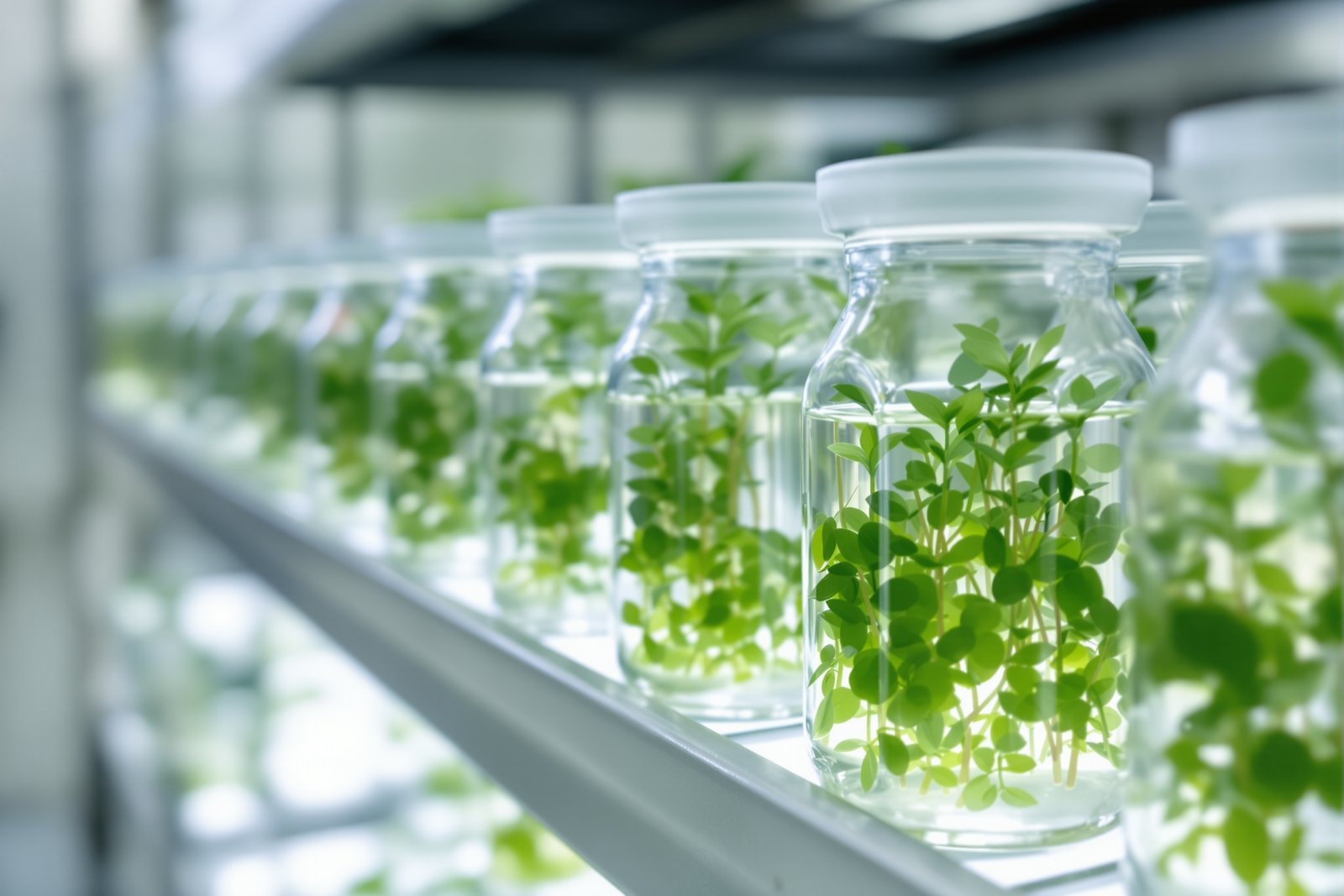
Tissue culture in brief
Wikipedia's article on plant tissue culture defines it as a collection of techniques used to maintain or grow plant cells, tissues or organs under sterile conditions on a nutrient culture medium of known composition, and notes that it is widely used to produce clones of a plant in the method known as micropropagation. Among the advantages the article lists are the production of exact copies of plants with desirable traits, the production of plants where seeds or pollinators are lacking, and the ability to move plants in sterile containers with greatly reduced chances of carrying diseases, pests and pathogens with them.
The sterility is the heart of the matter. A culture medium rich in sugar and nutrients is as welcoming to bacteria and moulds as it is to plant tissue, and any microbe that gets into a jar will usually outgrow the plant within days. Much of the craft of tissue culture is therefore about keeping everything that is not the plant out.
The stages in outline
Wikipedia's article on micropropagation describes it as the practice of rapidly multiplying plant stock to produce many progeny plants using tissue culture methods, and divides the steps into four stages: selection of the mother plant, multiplication, rooting and acclimatising, and transfer of the new plant to soil.
Choosing and starting
Everything begins with the source plant. The micropropagation article stresses that clean stock, free of viruses and fungi, is important for producing healthy plants, and that the tissue is removed from the mother plant under sterile conditions. The piece of tissue placed in culture is called an explant. The tissue culture article notes that the most commonly used explants are the growing ends of the plant, such as the stem tip, the axillary bud tip and the root tip, because these tissues divide rapidly and contain or produce the growth regulators the process depends on.
Multiplication
Once an explant is growing in culture, it is encouraged to branch. The micropropagation article explains that multiplication means taking the tissue from the first stage and increasing its number, and that through repeated cycles a single explant can become hundreds and thousands of plants. The balance of plant growth regulators in the medium, in particular the cytokinins, steers tissue toward producing many shoots rather than a single stem.
Rooting and hardening off
Shoots from the multiplication stage are then moved to conditions that favour root formation. The last step, hardening off, is often the most delicate. A plantlet raised in a jar has lived in saturated air, on sugar supplied by the medium, with no need to defend itself. Moving it to open air and soil means it must start controlling water loss through its leaves and feeding itself by photosynthesis. Nurseries manage this gradually, lowering humidity over days or weeks so that the young plant can adjust.
A note on safety. Tissue culture depends on media sterilised with pressurised steam, on hot liquids and on handling living material, and it belongs in a properly equipped laboratory under trained supervision. This page explains the principles and is not a procedure to follow.
Aloe as an example crop
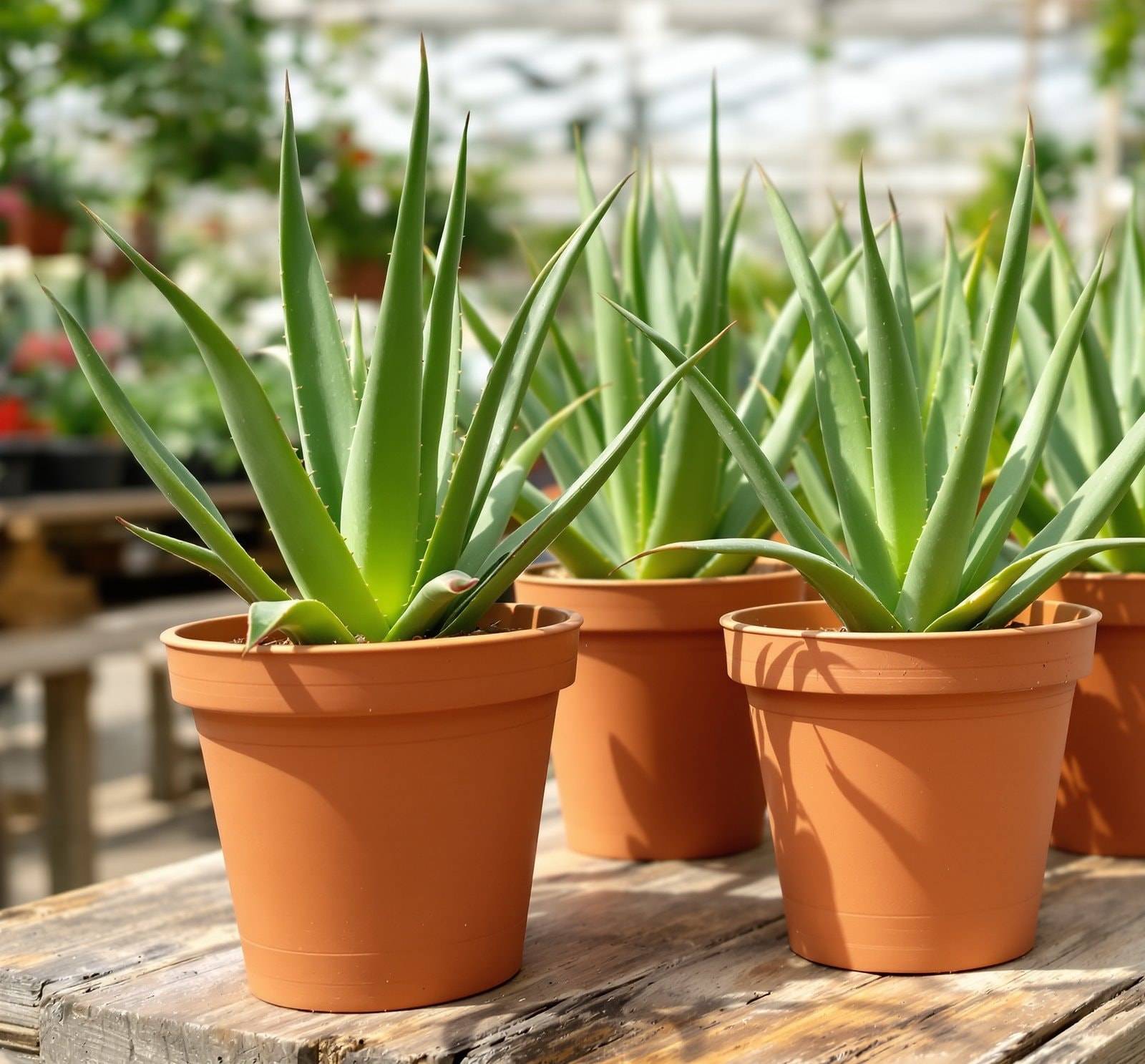
Aloe is a good illustration of why growers turn to micropropagation. Wikipedia's article on Aloe vera describes it as a succulent, evergreen perennial of the genus Aloe that originates from the Arabian Peninsula and grows wild in tropical, semi-tropical and arid climates around the world. It is cultivated commercially, and the article notes that it is considered attractive for decorative purposes and often grown indoors as a potted plant. A crop grown in quantity for gardens and plantations needs a steady supply of uniform young plants, and a slow-multiplying succulent can be hard to supply by conventional division alone. Tissue culture offers a way to produce many identical plants from a few selected parents. This guide discusses aloe only as a plant; its uses are outside the scope of the page.
Where the method struggles
Micropropagation is not free of problems. It requires clean rooms, trained staff and a steady supply of media, so it is more expensive per plant than taking cuttings where cuttings work. Some species respond poorly to culture. Plants multiplied through a stage of undifferentiated tissue can show unexpected variation, which is a nuisance when uniformity is the goal. And every contamination event can cost a whole batch. These limits explain why the technique is used where its advantages count most: valuable or slow-to-propagate plants, disease-free stock, and plants that cannot easily be raised from seed.